

Men’s mental health remains one of the most important wellbeing conversations for employers, schools, universities and communities in 2027. Although awareness has improved, many men still struggle to discuss anxiety, depression, addiction, trauma and suicidal thoughts openly or seek support early. Men’s Mental Health Awareness Month takes place throughout November each year, providing an important opportunity to raise awareness, challenge stigma and encourage more men to seek support when they need it (Source: Healthline).
The consequences can be severe. Around three-quarters of suicide deaths registered in England in 2024 were among men, while the male suicide rate was more than three times the female rate. Men aged 50 to 54 recorded the highest suicide rate of any age and sex group in England and Wales. (Source: ons.gov.uk)
England’s first Men’s Health Strategy also identifies suicide prevention as a national priority, recognising that men can be less likely to seek help and may face barriers including stigma, financial difficulties, relationship problems, loneliness, alcohol or drug misuse and pressure to appear self-reliant. (Source: gov.uk)
Why Is Men’s Mental Health Important in 2027?
The issue extends beyond suicide. Depression, anxiety, addiction, workplace pressure, financial stress, relationship breakdown, grief and social isolation can affect men at every stage of life. Traditional expectations around masculinity can also make conversations harder. Men may feel pressure to remain composed, solve problems alone or avoid appearing vulnerable, delaying access to professional or personal support.
The Government’s Men’s Health Strategy specifically recognises these barriers and includes investment in suicide-prevention projects designed around the needs of middle-aged men. It also calls for employers, community organisations and health services to reach men in places and formats where they are more likely to engage. (gov.uk)
Who Are the Top 10 Men’s Mental Health Speakers to Hire in 2027?
The following speakers have been selected for their professional achievements, lived experience, mental health advocacy and relevance to organisations seeking meaningful conversations about men’s wellbeing.
- Mark Brooks OBE: Leading men’s health advocate, suicide prevention expert and International Men’s Day campaigner
- Dr Alex George: Doctor, mental health campaigner and former UK Youth Mental Health Ambassador
- Joe Marler: England rugby star, CALM ambassador and presenter of ‘Big Boys Don’t Cry’
- Clarke Carlisle: Former Premier League footballer, depression advocate and Founder of the Clarke Carlisle Foundation
- Jonny Benjamin MBE: Award-winning campaigner, author and suicide prevention advocate
- Alastair Campbell: Mental health campaigner, author and presenter of ‘Depression and Me’
- Jonny Wilkinson CBE: Rugby World Cup winner and prominent advocate for anxiety awareness
- Jordan Stephens: Rizzle Kicks star, #IAMWHOLE campaigner and mental health advocate
- Nigel Owens MBE: World-renowned rugby referee and advocate for mental health and LGBTQ+ inclusion
- Matt Haig: Bestselling author of ‘Reasons to Stay Alive’ and mental health campaigner
Mark Brooks OBE
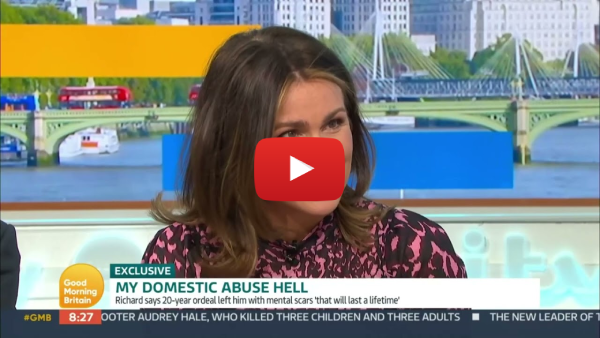
Mark Brooks OBE is one of the UK’s leading advocates for men’s mental health, suicide prevention and male inclusion. He serves as Director of Policy and Communications at the Centre for Policy Research on Men and Boys, advises the All-Party Parliamentary Group on Issues Affecting Men and Boys and is National Ambassador for International Men’s Day UK.
Awarded an OBE for his work supporting male victims of domestic abuse, Mark brings a policy-led perspective to subjects including male suicide, workplace wellbeing, modern masculinity and the barriers that prevent men from accessing support. He is particularly valuable for employers, government departments and HR leaders seeking practical guidance on building mental health initiatives that genuinely engage male employees.
Dr Alex George
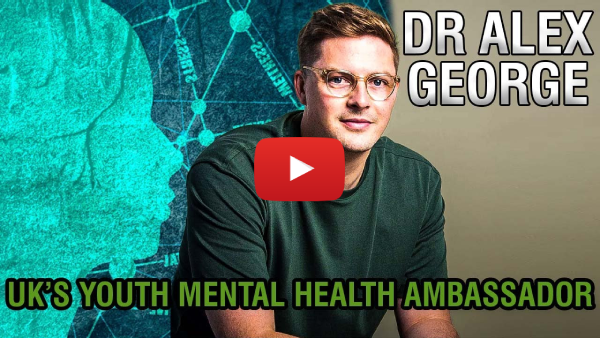
Dr Alex George is an NHS-trained doctor, bestselling author and prominent mental health campaigner. After losing his younger brother to suicide, Alex dedicated much of his public work to improving mental health support, particularly for young people, and was appointed UK Youth Mental Health Ambassador in 2021.
His talks combine medical knowledge with personal experience, covering men’s mental health, resilience, burnout, mental fitness and early intervention. Alex is especially effective for organisations seeking an accessible, recognisable speaker who can encourage men to prioritise their wellbeing before challenges develop into a crisis.
Joe Marler
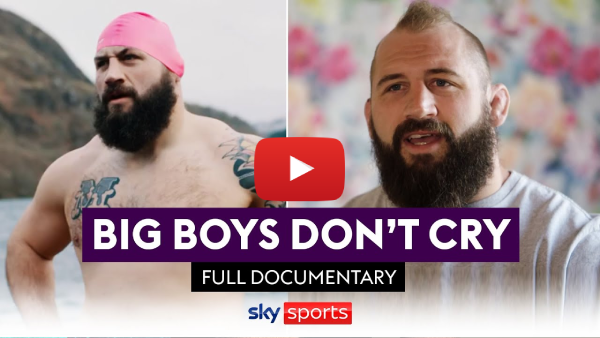
Joe Marler is a former England rugby international, mental health advocate and CALM ambassador who has spoken candidly about his own mental health struggles. Alongside a distinguished rugby career, he hosted the Sky documentary ‘Big Boys Don’t Cry’, examining men’s mental health and the pressures that can prevent people from speaking openly.
Joe uses humour and honesty to discuss mental health, resilience, family life and the pressures surrounding elite sport. His direct style makes difficult conversations approachable, particularly for male-dominated industries, sports organisations and teams seeking to challenge traditional assumptions about masculinity and vulnerability.
Clarke Carlisle
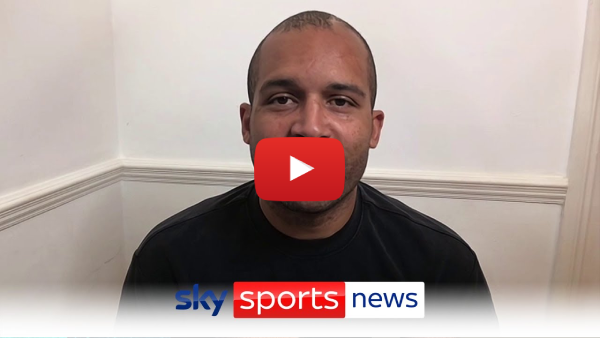
Clarke Carlisle is a former Premier League footballer, broadcaster and mental health advocate who speaks openly about depression, addiction and surviving suicidal crises. He is also the Founder of the Clarke Carlisle Foundation for Dual Diagnosis, supporting people experiencing both mental health and addiction difficulties.
His BBC documentary ‘Football’s Suicide Secret’ helped bring the mental health pressures facing professional sportspeople into public discussion. Clarke is a compelling choice for organisations seeking an honest conversation about addiction, depression, identity after career change and why success or status does not protect someone from poor mental health.
Jonny Benjamin MBE
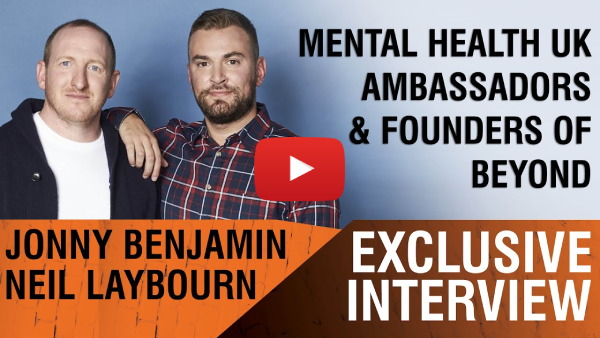
Jonny Benjamin MBE is an award-winning mental health campaigner who has spoken extensively about living with schizoaffective disorder and experiencing suicidal thoughts. His story became widely known through the ‘Find Mike’ campaign and the documentary ‘The Stranger on the Bridge’, which followed his search for Neil Laybourn, the stranger who intervened during a mental health crisis in 2008.
Jonny’s talks explore severe mental illness, suicide prevention, stigma, recovery and the importance of human connection. His openness gives audiences insight into experiences that can otherwise be difficult to understand, while reinforcing the value of listening, early intervention and treating mental illness without shame.
Alastair Campbell
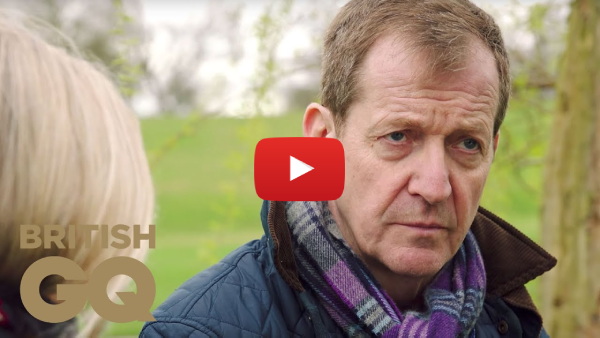
Alastair Campbell is a bestselling author, broadcaster and prominent mental health campaigner who has spoken publicly for decades about depression, addiction and the breakdown he experienced before entering frontline politics. His books include ‘The Happy Depressive’ and ‘Living Better’, while his BBC work has included ‘Alastair Campbell: Depression and Me’.
Having later worked at the highest levels of government as Tony Blair’s Press Secretary and Director of Communications, Alastair offers a distinctive perspective on maintaining mental health within high-pressure environments. He helps audiences understand that professional achievement can exist alongside serious mental illness, making him particularly relevant for senior leaders and demanding corporate environments.
Jonny Wilkinson CBE

Jonny Wilkinson CBE is one of England’s most celebrated rugby players, remembered for scoring the winning drop goal in the 2003 Rugby World Cup Final. Behind his sporting achievements, Jonny has spoken openly about anxiety, depression, perfectionism and the psychological pressure he experienced while competing at the highest level.
His talks challenge the assumption that relentless achievement automatically creates happiness. Through reflections on mindfulness, pressure and identity, Jonny helps audiences consider healthier definitions of success and performance. He is especially powerful for leadership teams, high-performance environments and organisations where employees may feel pressure to conceal difficulties.
Jordan Stephens
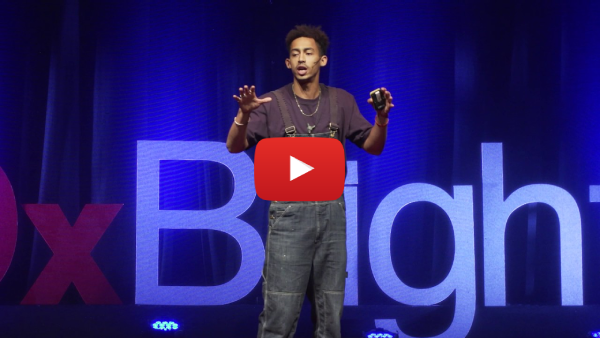
Jordan Stephens rose to prominence as one half of Rizzle Kicks before becoming an influential advocate for mental health. After experiencing depression and using substances to mask how he was feeling, he sought professional support and later used his platform to encourage more honest discussions about wellbeing.
Jordan went on to front the #IAMWHOLE campaign, which challenges mental health stigma, and has used music, podcasting and public speaking to reach younger audiences. His perspective is especially relevant to discussions around young men, social media, emotional expression, substance use and developing healthier approaches to masculinity.
Nigel Owens MBE
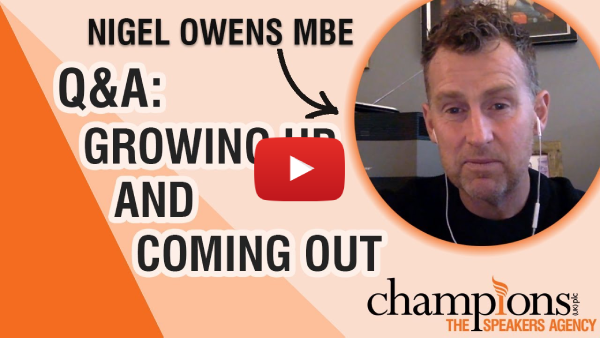
Nigel Owens MBE is one of rugby union’s most respected former referees and a prominent advocate for mental health and LGBTQ+ inclusion. While building a career that eventually saw him referee the Rugby World Cup Final, Nigel experienced bullying, difficulties accepting his sexuality, bulimia and suicidal thoughts.
His story demonstrates how identity, stigma and mental health can become deeply connected. Nigel speaks with warmth and humour about acceptance, depression, bullying and asking for help, making him a powerful choice for workplaces, schools, sporting organisations and audiences exploring the different pressures men may face when they feel unable to be themselves.
Matt Haig
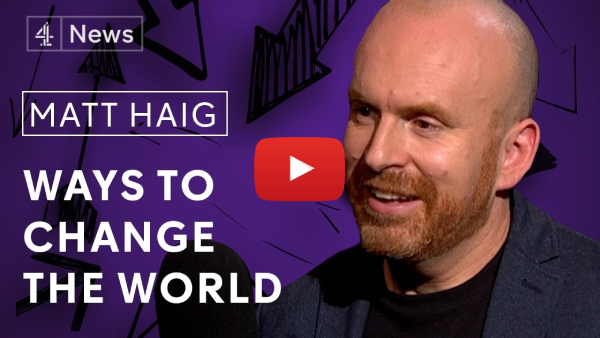
Matt Haig is an internationally bestselling author and one of Britain’s most recognisable voices on depression and anxiety. His bestselling memoir ‘Reasons to Stay Alive’ recounts his experience of major depressive disorder and suicidal crisis in his twenties, while ‘Notes on a Nervous Planet’ explores how modern life can affect mental wellbeing.
Matt’s writing and speaking make complex emotional experiences understandable without reducing their seriousness. He encourages audiences to recognise that recovery can take time and that asking for help can be an important part of survival. His thoughtful approach makes him particularly effective for organisations seeking a reflective speaker on anxiety, depression, hope and mental health stigma.
Final Thoughts
Men’s mental health requires conversations that are informed, relatable and supported by practical action.
Recent suicide statistics show why organisations cannot assume that growing public awareness has solved the problem. Employers, educators and communities should continue challenging stigma, recognising warning signs, improving access to support and creating environments where men feel able to discuss difficulties before reaching crisis point.
The right keynote speaker can bring these issues to life through experience, expertise and honesty. Reach out by filling in our online contact form or give one of our friendly booking agents a call at 0203 9816 296 – we’re here to help!

